In My Mom Era T Shirt Design Review: A Nostalgic Embroidery Pick
As an embroidery designer who’s stitched everything from baby onesies to boutique apparel, I always approach a new design with a mix of curiosity and caution. In My Mom Era T Shirt Design caught my attention not just for its nostalgic appeal but also for how it translates into real-world projects. Let’s break down what this design brings to the table—and where it might need careful handling.
First Impressions: A Warm Throwback Vibe
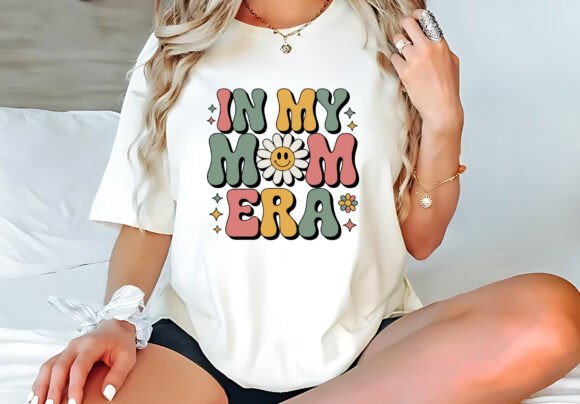
The moment I opened the machine embroidery design, I was greeted by a layout that felt both playful and heartfelt. The phrase “In My Mom Era” is rendered in a stylized font that evokes vintage charm without leaning too heavily into cutesy or overused motifs. It's clean enough for modern tastes yet retains a warm, throwback mood that resonates across generations.
I immediately noticed the balance between negative space and detail. There’s no overwhelming clutter—just a well-structured composition that invites customization. As someone who works with embroidery file formats like AI, EPS, SVG, and PNG regularly, I appreciated the flexibility of having multiple editable layers. This makes color adjustments, resizing, and even repositioning elements a breeze, which is essential for adapting the design to different garment types and personal preferences.
Design Personality and Project Fit
This isn’t a flashy, bold statement piece. Instead, In My Mom Era T Shirt Design feels like a conversation starter. Its visual personality is subtle, making it ideal for custom apparel like sweatshirts or tote bags where you want something expressive but not in your face. The design could easily be transformed into an embroidered patch or applied as part of a larger set of design assets for a handmade product line.
It’s particularly fitting for boutique branding, personalized gifts, or holiday embroidery. Think about adding it to a cozy sweatshirt for a gift, or using it on a tea towel for a farmhouse-themed kitchen. The theme lends itself well to small shop products and Etsy sellers looking to tap into the sentimental market.
Real-Life Embroidery Performance
When considering how In My Mom Era T Shirt Design will perform in actual stitch-outs, there are several factors to keep in mind. The design is composed of a combination of satin stitch and fill stitch elements, which gives it a polished look when done correctly. However, the level of detail varies depending on the placement and size you choose.
- Custom Apparel: On t-shirts and sweatshirts, the design reads clearly and maintains its shape when scaled up. For a large front placement, I recommend using a light stabilizer to prevent distortion, especially if working with stretchier fabrics.
- Tote Bag Design: I tested this on a cotton canvas tote bag and found that the design’s simplicity worked well. It didn’t require heavy stitching, so the result was soft and wearable. The colors stood out nicely against the neutral background.
- Baby Embroidery: The phrase is slightly whimsical but still appropriate for a baby item. When I resized it for a onesie, I made sure to reduce stitch density in the fill areas to avoid bulkiness. The satin-stitched text held up well and looked professional.
- Patch and Decor Projects: The design adapts well into an embroidered patch format. It can also be used on pillow covers or nursery decor, though I’d suggest testing it first on a scrap of similar fabric to ensure the thread colors pop and the stitches lie flat.
Thread Color Considerations
While the design includes color options, it’s important to note that some thread combinations may not work well on all backgrounds. Darker threads can get lost on black or navy garments, while lighter shades may appear washed out after repeated washing. Always test the design in black and white mockups before finalizing thread choices to assess contrast and visibility.
Where to Use It Carefully
Though versatile, In My Mom Era T Shirt Design has its limits. Here are a few scenarios where I’d proceed with care:
- Small Hoop Sizes: If you're planning to use this in a tiny hoop or for curved surfaces like caps, the design might lose clarity. Resize carefully and inspect every element to ensure nothing becomes too small or distorted.
- Textured Fabrics: On flannel or fleece, the texture can interfere with stitch definition. You’ll need a good stabilizer and possibly adjust stitch spacing or tension settings.
- Dense Stitch Areas: Some sections have more intricate fill patterns. These can cause puckering or stiffness if not properly supported during embroidery. Always check the stitch density settings and consider using a tear-away or cut-away stabilizer based on fabric type.
- Products That Need Frequent Washing: Dense stitching or certain thread types may fade faster. Opt for quality embroidery threads and consider using dishtowels or aprons where durability is key.
Commercial Use and Licensing
If you’re an Etsy seller or running a craft business, make sure to confirm the licensing terms before selling finished items or digital embroidery files. While the design is ready for print and offers high versatility, commercial embroidery projects require clear permissions to avoid legal issues. Once you’ve got the green light, this can become a valuable addition to your design portfolio or small shop product offerings.
Impact on Product Value and Customer Appeal
What sets In My Mom Era T Shirt Design apart is its emotional resonance. Customers gravitate toward designs that tell a story or evoke a feeling, and this one does exactly that. Whether you're creating a personalized gift or branding a new line of handmade products, this design adds a layer of warmth and authenticity.
Its understated style fits well within handmade presentations. It doesn’t scream for attention but instead earns its place through thoughtful application. Used on the right project, it can elevate brand consistency and recognition—especially if your target audience appreciates retro aesthetics or family-themed items.
Professional Presentation Tips
Here are a few practical notes from my experience using In My Mom Era T Shirt Design in various embroidery projects:
- Test First: Always run a sample stitch-out on scrap fabric before moving to the final product. This helps catch any potential issues with stitch flow or thread tension.
- Inspect Small Details: Check for tiny lettering or decorative accents that might not translate well at smaller sizes. Adjust accordingly or simplify the design for better results.
- Use Proper Stabilizer: Depending on the fabric, use either wash-away, tear-away, or cut-away stabilizers to maintain stitch integrity and fabric drape.
- Confirm Hoop Size: Though not specified, hoop size can affect how the design behaves. Ensure your machine setup allows for the full design area without overcrowding the hoop.
- Check Thread Contrast: Especially for dark fabric backgrounds, select thread colors that create a strong contrast. This ensures the design remains legible and visually appealing.
Final Thoughts for Crafters and Designers
Embroidery is as much about the outcome as it is about the process. In My Mom Era T Shirt Design offers a solid foundation for creative entrepreneurs and hobbyists alike. It’s not the kind of design that needs to shout—it’s the quiet confidence of a well-crafted message that lingers.
Whether you’re preparing a holiday gift, a personalized item for a boutique, or a new batch of digital embroidery files for resale, this design provides a meaningful touch. But remember, every fabric and project is unique. Take time to review the details, adapt the design to fit your materials, and let it shine in the right context.
For those of us in the craft business, finding the right balance between sentiment and functionality is key. In My Mom Era T Shirt Design walks that line well—offering a nostalgic charm that doesn’t compromise on quality or usability. Just don’t forget to test, tweak, and think about where it truly belongs in your next embroidery project.